
How to find sea glass on the Isle of Wight
If you’ve ever wandered along the coastline and spotted a frosted shard of green or blue glass gleaming in the sand, congratulations, you’ve found sea glass. These tiny ocean-worn gems are one of the most satisfying things to discover on a walk by the sea. And on the Isle of Wight, we’re lucky to have some fantastic spots for finding them.
Whether you're crafting with it, collecting it, or just want a relaxing new beach hobby, this guide will help you find sea glass safely and successfully on the island’s shores.
What is sea glass?
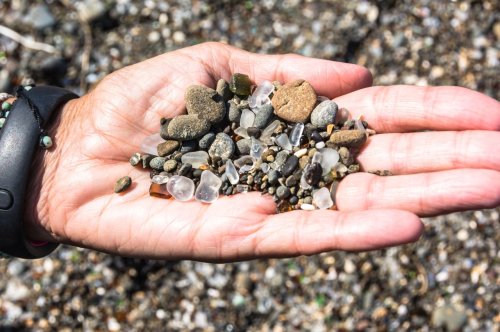
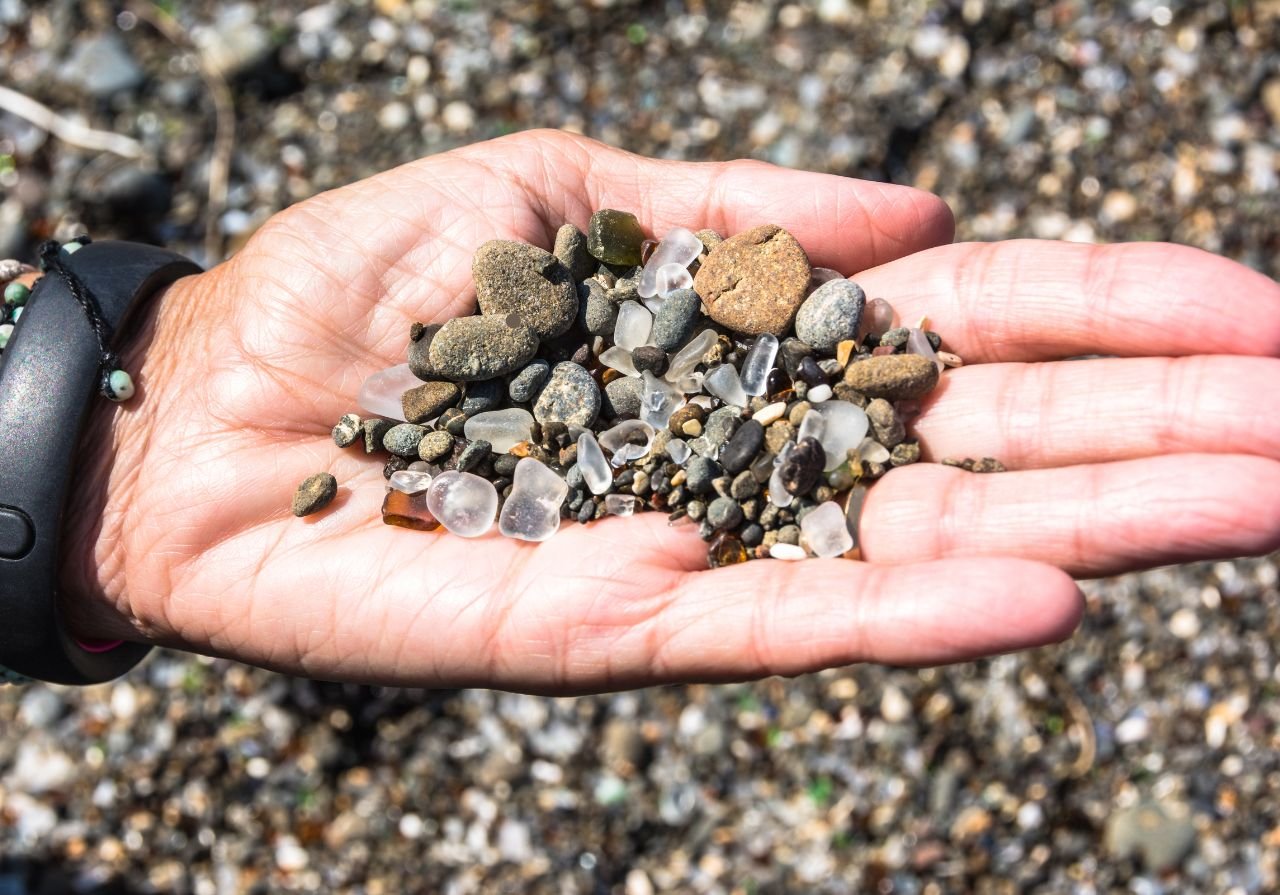
Sea glass is broken glass that’s been smoothed and frosted by decades (or even centuries) of tumbling in the sea. Bottles, jars, and glassware discarded long ago eventually wash ashore in softened, jewel-like fragments. Each piece is a tiny relic of the past, often with a story to tell.
Best beaches for sea glass on the Isle of Wight
Sea glass can be found on many Isle of Wight beaches, but some locations are especially promising for beachcombing:
-
Seaview & Springvale
These pebble-strewn beaches often hold hidden treasures after high tide. Great for early morning searches. -
Shanklin
Especially near the old groynes and sea defences, you’ll often find sea glass mixed in with shells and stones. -
Ventnor
Rocky, dramatic, and rich in tidal movement, ideal for spotting larger, more colourful pieces. -
Yaverland
After storms, Yaverland tends to gather a surprising variety of glass, pebbles, and driftwood. -
Colwell Bay
A quieter spot that sometimes rewards patient searchers with rare colours like blue or purple.
💡 Local tip: Sea glass is more likely to gather near groynes, rock pools, or storm-damaged areas where the tide deposits mixed debris.
Best time to search
Sea glass hunting is a game of timing. Here’s what to look for:
-
Low tide is the best time as more of the beach is exposed.
-
After storms or rough weather brings fresh debris ashore.
-
Early mornings mean fewer footprints and more untouched treasure.
You can check local tide times on the BBC Weather website or using tide apps like Tides Near Me.
Safety tips
Sea glass is usually smooth and safe, but you should still take care while beachcombing:
-
Wear gloves or handle with care especially if you're unsure how long a piece has been tumbled.
-
Bring a small bag or pot to collect your finds.
-
Avoid cliff edges or unstable areas, especially after storms.
-
Respect the beach and take only what you need, and leave no litter behind.
What to look for?
Not all beach glass is created equal and here’s how to spot the real deal:
-
Texture: True sea glass has a frosted, pitted surface. It won’t be shiny or sharp.
-
Shape: Rounded edges, no jagged points.
-
Colour: Common colours include green, brown and clear. Rarer colours include blue, purple, red and turquoise.
What can you do with sea glass?
Once you’ve collected some beautiful pieces, the possibilities are endless:
-
Craft a sea glass suncatcher
-
Display them in a glass jar on a sunny windowsill
-
Create jewellery or handmade gifts
-
Use them as decoration in plant pots, candle holders or photo frames
Share your beachcombing finds with us!
Found something beautiful? We'd love to see! Tag @wightmarket on Instagram or Facebook to show off your island finds and inspire others to head out on their own sea glass hunt.